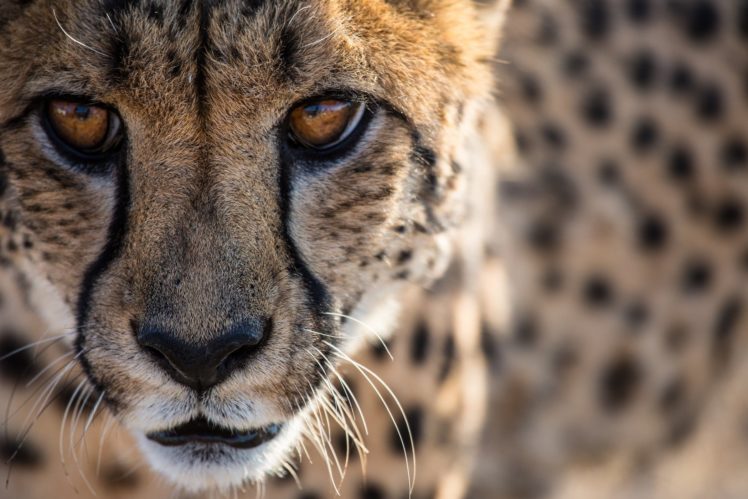
When you visit Dinokeng Game Reserve, one of the most remarkable stories you’ll hear is about the cheetah. These elegant cats, the fastest land animals on Earth, are not only surviving here, they’re thriving. But that success didn’t happen by accident. It is the result of careful conservation, habitat management, and dedicated efforts by both the reserve and its partners.
Cheetahs are classified as endangered in South Africa and globally face severe threats. They have disappeared from about 76 percent of their historic range across Africa and virtually all of their range in Asia due to habitat loss, human-wildlife conflict, and declining prey populations. In South Africa the cheetah is the second most threatened carnivore after the African wild dog, which makes every successful breeding season in Dinokeng something to celebrate.
One of the key reasons cheetahs have done so well here is the support of conservation programmes such as the EWT Cheetah Metapopulation Project. This initiative works to manage cheetah populations in small fenced reserves like Dinokeng by ensuring healthy genetic diversity and preventing inbreeding. Without this active management, isolated populations can suffer from reduced genetic health and lower cub survival. Dinokeng’s participation means that when cubs are born, they stand a strong chance of growing up and contributing to wild cheetah numbers elsewhere.
The reserve’s own monitoring efforts have recorded several successful litters over the years, including multiple cubs born to resident females. One famous example was the Rietvlei female cheetah, who has welcomed a few litters of cubs and helped increase local cheetah numbers while also attracting attention to the importance of habitat protection and maternal care in the wild.
Part of the reason Dinokeng is such a good home for cheetahs is its mix of open plains and bushveld, which offer ideal hunting grounds. Cheetahs depend on good visibility to use their incredible speed and agility to catch prey, and this landscape supports a healthy balance of antelope and other suitable animals. Rangers and wildlife managers also track cheetah movements, intervene when necessary to prevent conflict, and support cub rearing through protection and environmental monitoring - all helping boost survival rates.
Beyond local success, Dinokeng’s cheetahs contribute to broader conservation. Healthy individuals and litters here have enabled relocations to other reserves to strengthen populations elsewhere, highlighting how the reserve is part of a nationwide effort to sustain the species. This collaboration reflects a crucial reality: the future of cheetahs depends on managed networks of habitats where populations can grow, mate, and spread across safe areas without conflict with humans or dangerous predators.
Cheetahs remain vulnerable, but their story in Dinokeng is one of hope. With continued conservation, respected wild spaces, and shared commitment from tourism, science, and the community, these graceful cats continue to survive and raise their young in South Africa’s heartland.