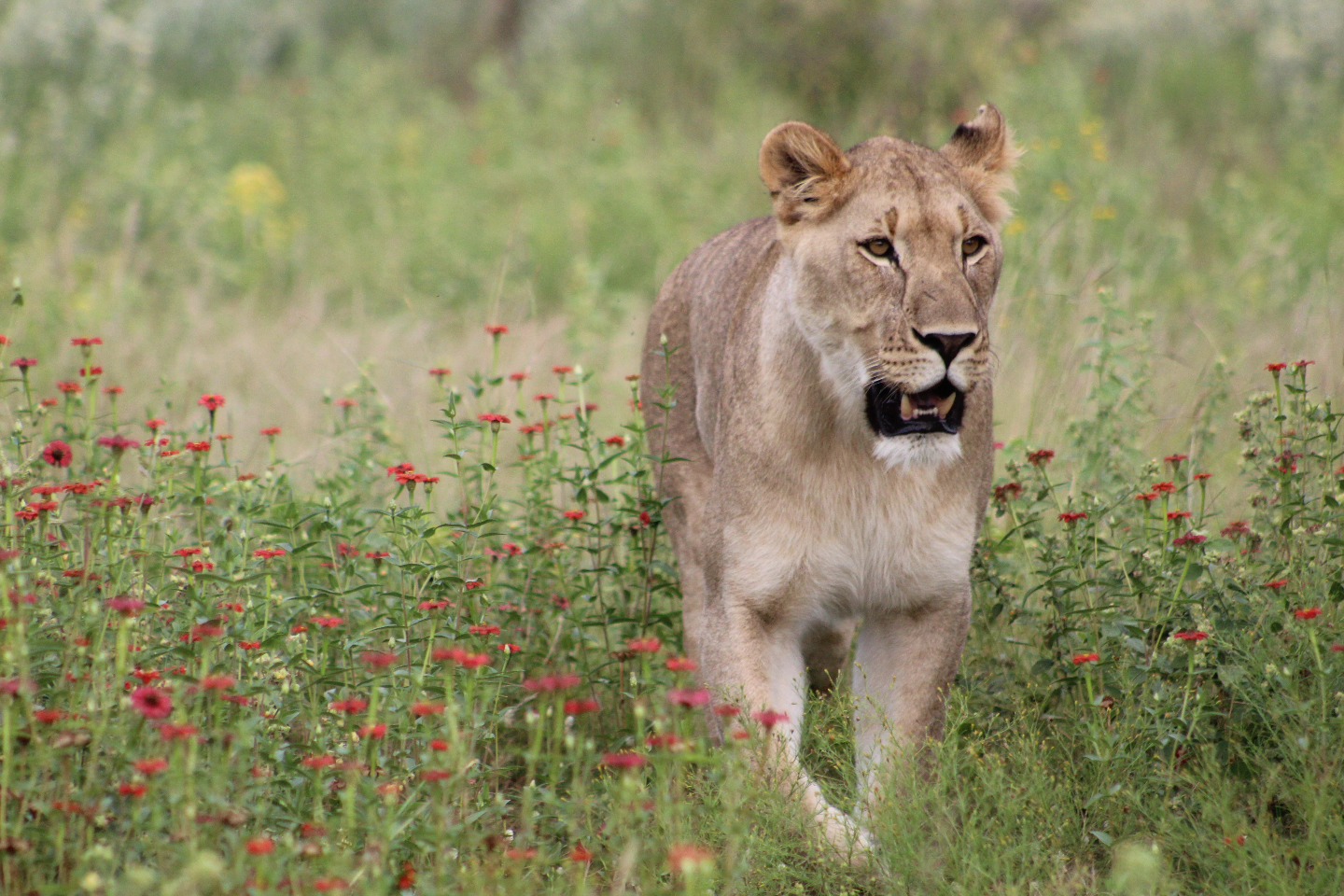
Dinokeng Game Reserve continues to prove that thoughtful conservation delivers powerful results. Among its greatest success stories is the thriving lion population.
These iconic predators are not simply present here. They are healthy and established, and contributing to a carefully balanced ecosystem that reflects years of responsible wildlife management.
A few months ago, the reserve took an important step in strengthening its lion population by introducing brand new individuals selected through structured conservation planning. These lions were chosen to enhance genetic diversity and support long term stability within the pride structures.
In smaller protected reserves (like ours) active management is essential to prevent inbreeding and to maintain strong and healthy bloodlines. The introductions at Dinokeng were part of a broader and science-based approach to ensure that the population would not only grow but remain resilient.
The result has been remarkable. The lions have adapted well to their new environment, formed stable social bonds and are thriving in territories that offer both space and sufficient prey.
The bushveld landscape, with its blend of open grasslands and thicker vegetation, provides ideal conditions for hunting and raising cubs. A healthy prey base supports the energy demands of these apex predators, allowing them to maintain natural behaviours while contributing to ecological balance.
Careful monitoring by reserve management plays a significant role in this success. Wildlife managers track movements, observe pride dynamics and ensure that predator numbers remain aligned with available resources. This level of oversight protects both predator and prey populations, creating a sustainable environment where lions can flourish without placing strain on the ecosystem.