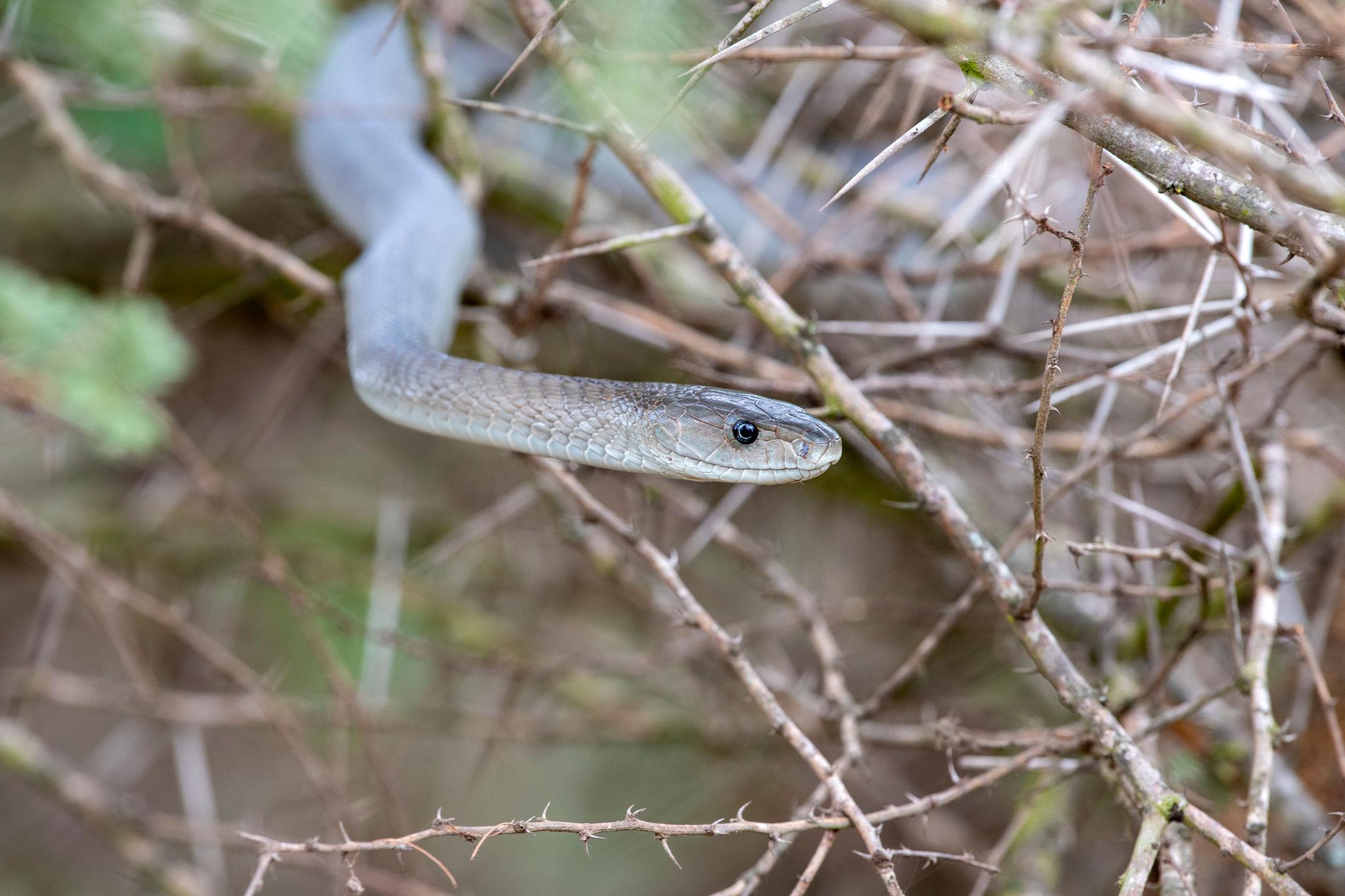
South Africa is home to some of the most extraordinary wildlife on earth. From lions and elephants to tiny insects and towering giraffes, the landscape is alive with movement and mystery. But hidden beneath the grass, beneath rocks and sometimes silently gliding across a warm road at sunset are creatures that command both fear and respect. Snakes.
While the idea of encountering a snake can make many visitors uneasy, the truth is that these animals are an essential part of the ecosystem. They control rodent populations, maintain ecological balance, and generally avoid humans whenever possible. Most snakes would much rather disappear quietly into the bush than confront a person.
However, South Africa is home to several venomous species that deserve caution and respect. Knowing about them helps remove unnecessary fear and replaces it with understanding. When you visit the bush, knowledge is your best guide.
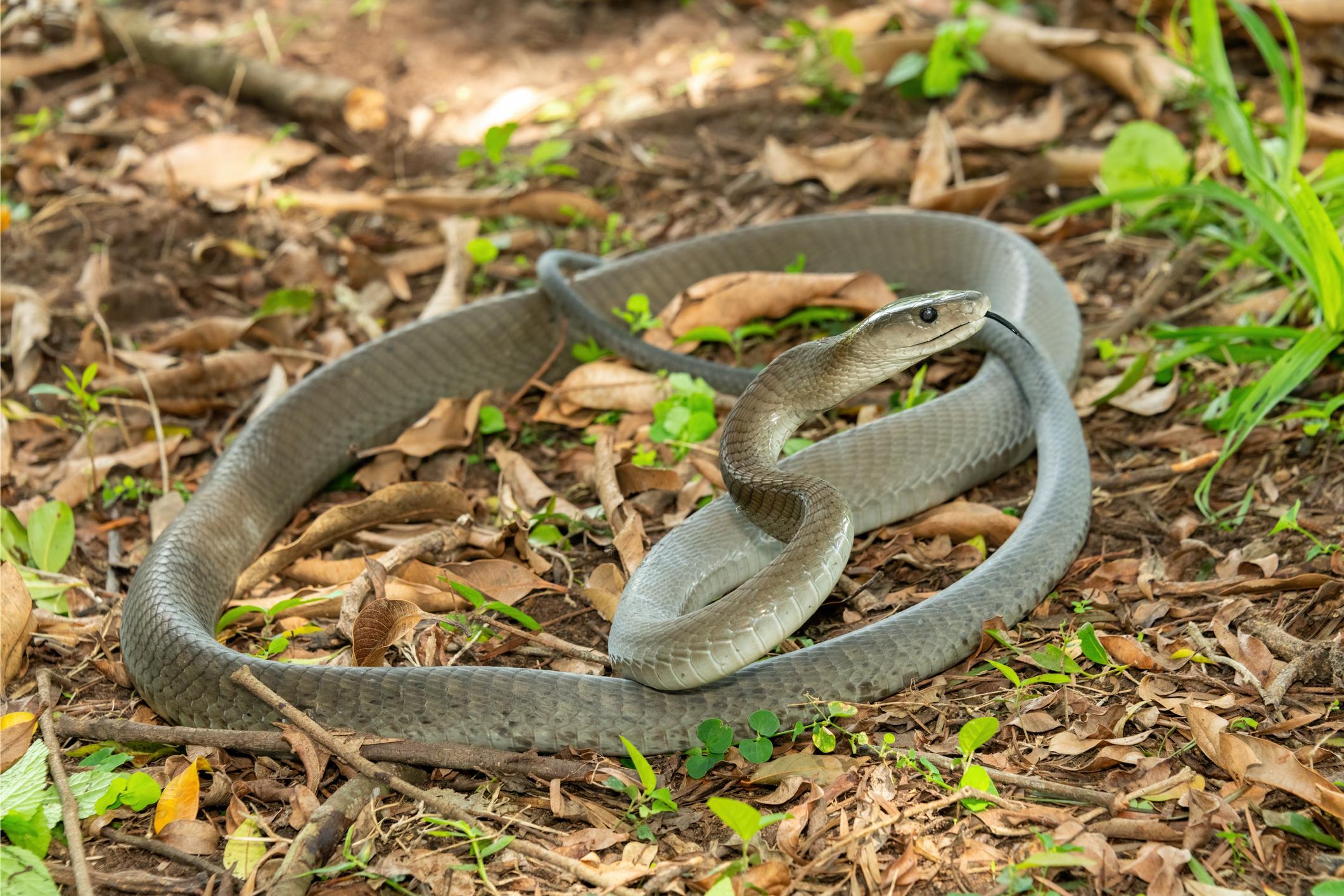
Few snakes carry a reputation as powerful as the Black Mamba. This long, slender snake is often considered the most feared in Africa, not because it is aggressive by nature, but because of its incredible speed and highly potent venom.
Despite its name, the Black Mamba is usually grey or olive in colour. The name comes from the deep black colour inside its mouth, which it displays as a warning when threatened.
Black Mambas can grow to impressive lengths, sometimes over four meters, making them one of the longest venomous snakes in the world.
They are fast, alert, and highly intelligent reptiles that prefer open bushland and rocky areas.
Their venom is neurotoxic, meaning it affects the nervous system and can cause paralysis if untreated.
Despite their fearsome reputation, Black Mambas avoid people whenever possible. Most bites occur only when the snake feels cornered or threatened. Encounters in the wild are rare and usually end with the snake disappearing into the vegetation long before anyone gets close.
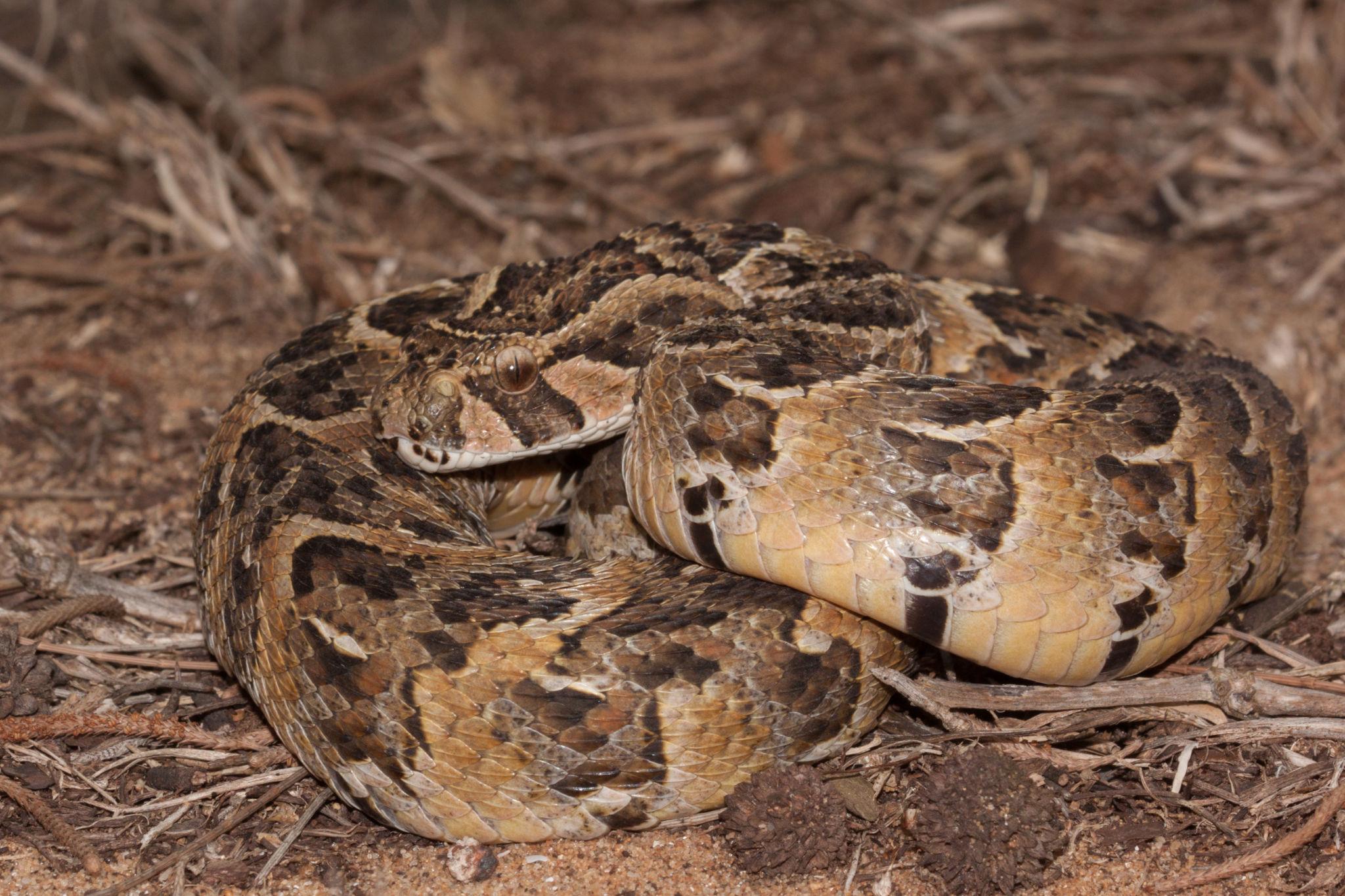
If there is one snake responsible for the majority of serious snakebite incidents in Southern Africa, it is the Puff Adder.
Unlike the fast-moving Black Mamba, the Puff Adder relies on camouflage and patience. Its thick body and patterned skin allow it to blend almost perfectly into dry grass and sandy soil. This snake often lies motionless, waiting for small mammals or birds to pass by.
Unfortunately, this also means that people sometimes step too close without realizing the snake is there. When disturbed, the Puff Adder inflates its body and produces a loud hissing sound before striking with remarkable speed. Its venom is cytotoxic, meaning it destroys tissue and can cause severe swelling and pain. While bites can be dangerous, most occur when someone accidentally steps on or very near the snake.
In the bush, watching where you step and wearing proper footwear goes a long way in avoiding any problems.
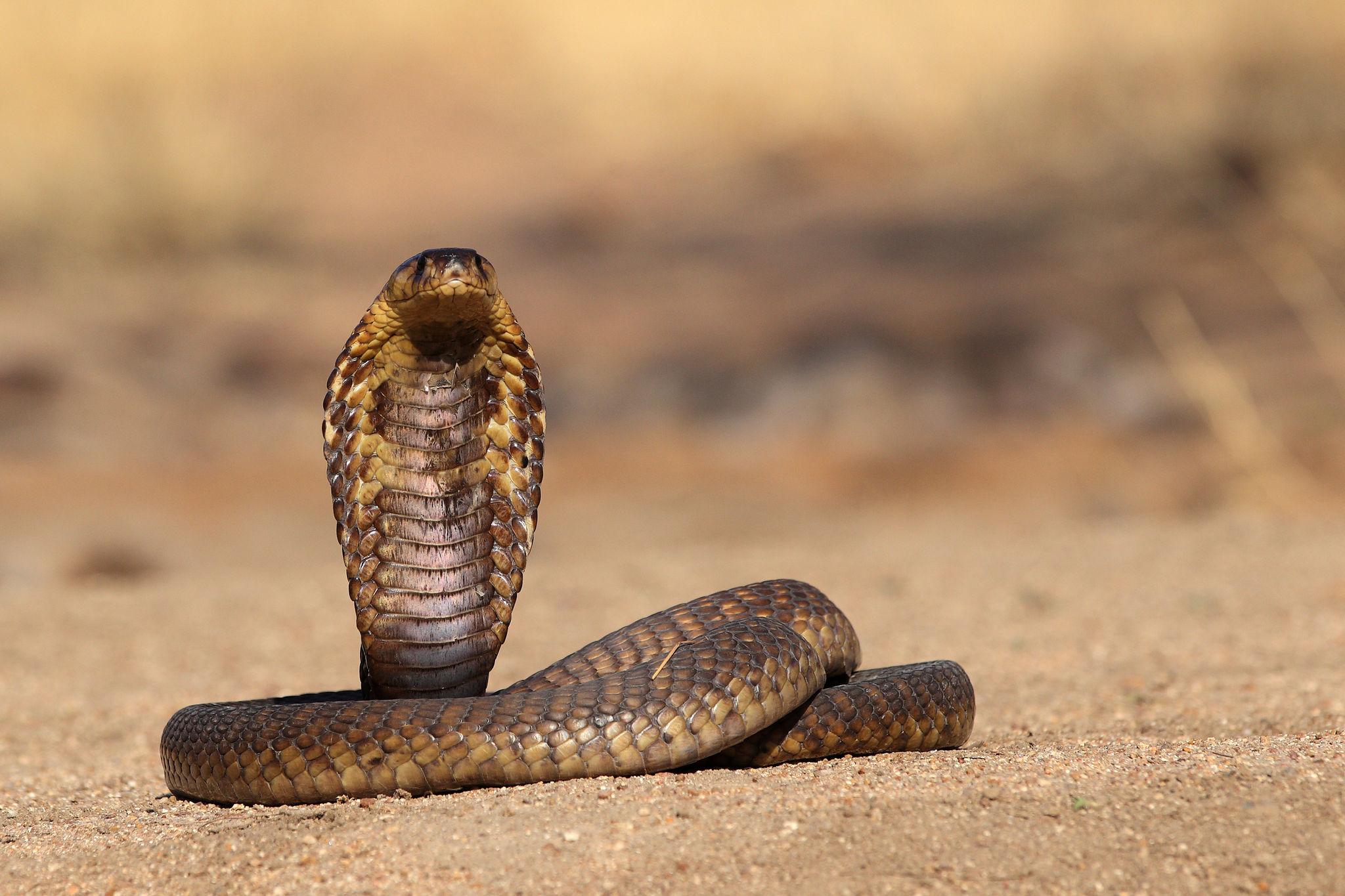
The Cape Cobra is one of South Africa’s most recognizable snakes. With its elegant hood and smooth scales, it has a striking appearance that varies from golden yellow to brown or even dark black depending on the region.
This snake is highly alert and active during the day.
Unlike some snakes that rely purely on camouflage, the Cape Cobra is a confident hunter that feeds on rodents, birds, and even other snakes. Its venom is strongly neurotoxic and can affect breathing if untreated. However, Cape Cobras are not naturally aggressive toward humans. Most encounters occur when the snake is surprised or feels trapped. When threatened, it raises the front of its body and spreads its hood in a clear warning display. For observers, this display is nature’s way of saying one thing very clearly: give the snake space and it will usually move away on its own.
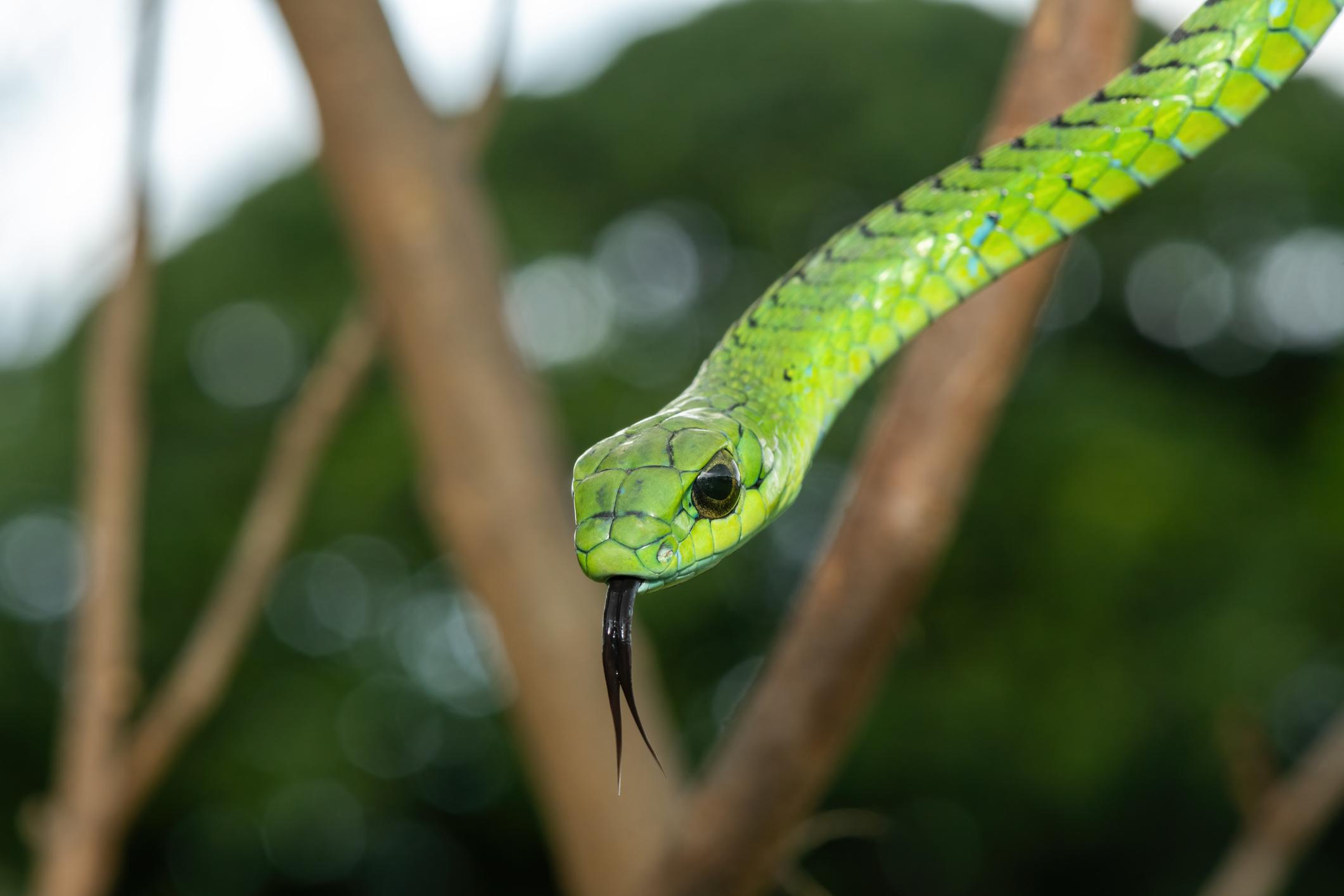
The Boomslang is one of the most fascinating snakes in Southern Africa. Its name comes from Afrikaans and literally means “tree snake,” which perfectly describes where it spends most of its time.
Males are often a vivid green, allowing them to blend beautifully among leaves and branches, while females are usually brown. Their large eyes give them excellent vision, which helps them hunt birds, chameleons, and small reptiles high in the trees.
The Boomslang’s venom is hemotoxic, meaning it interferes with blood clotting. Although extremely potent, bites from Boomslangs are very rare because the snake is shy and prefers to stay hidden in trees. Most people will never see one unless they are specifically searching for wildlife.
Snakes have lived in Africa for millions of years, long before humans arrived. They play a crucial role in maintaining the balance of nature and are an important part of the ecosystem that makes the African bush so vibrant and alive.
The reality is that snake encounters are uncommon, especially when visitors follow simple bush safety guidelines. Walking with a guide, wearing proper shoes, watching where you step, and giving wildlife space are usually more than enough to ensure a safe and memorable experience.
At Isinkwe Lodge, we believe the bush should be experienced with curiosity rather than fear. Every creature, from the smallest insect to the largest predator, contributes to the incredible story of the African wilderness. And sometimes, the quiet glide of a snake disappearing into the grass is simply another reminder that in the bush, we are guests in a world that has been thriving for far longer than we have.