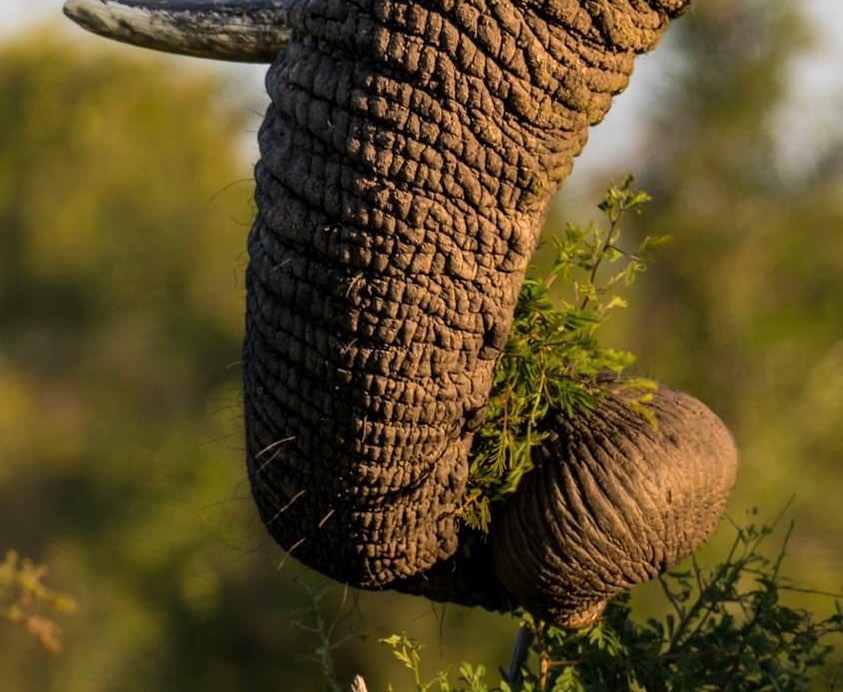
Just over an hour north of Johannesburg and Pretoria lies one of South Africa’s most remarkable conservation success stories - Dinokeng Game Reserve.
Unlike many safari destinations that require long flights or days of travel - Dinokeng offers visitors the opportunity to experience the African bushveld and the Big Five within easy reach of the country’s largest cities.
Dinokeng is unique for another reason. It is the only Big Five game reserve in Gauteng - making it an accessible wilderness escape for both international visitors and local travellers planning a trip close by.
Whether you are planning your first visit or simply curious about what makes this reserve so special - this guide will walk you through everything you need to know about Dinokeng Game Reserve.
Where is Dinokeng Game Reserve?
Dinokeng Game Reserve is located in the northern part of Gauteng province in South Africa - on the border of Gauteng and Limpopo. The name “Dinokeng” comes from the local Setswana language and means “a place of rivers.”
The reserve lies in a diverse landscape shaped by rivers, open savanna, bushveld thickets and scattered wetlands.
One of the things that makes Dinokeng so appealing is its accessibility. Unlike many remote safari destinations - Dinokeng is incredibly easy to reach - especially with the ridiculous fuel prices.
From Pretoria, the reserve is roughly a forty-minute drive. From Johannesburg, the journey typically takes about an hour and a half depending on traffic.
The Wildlife of Dinokeng
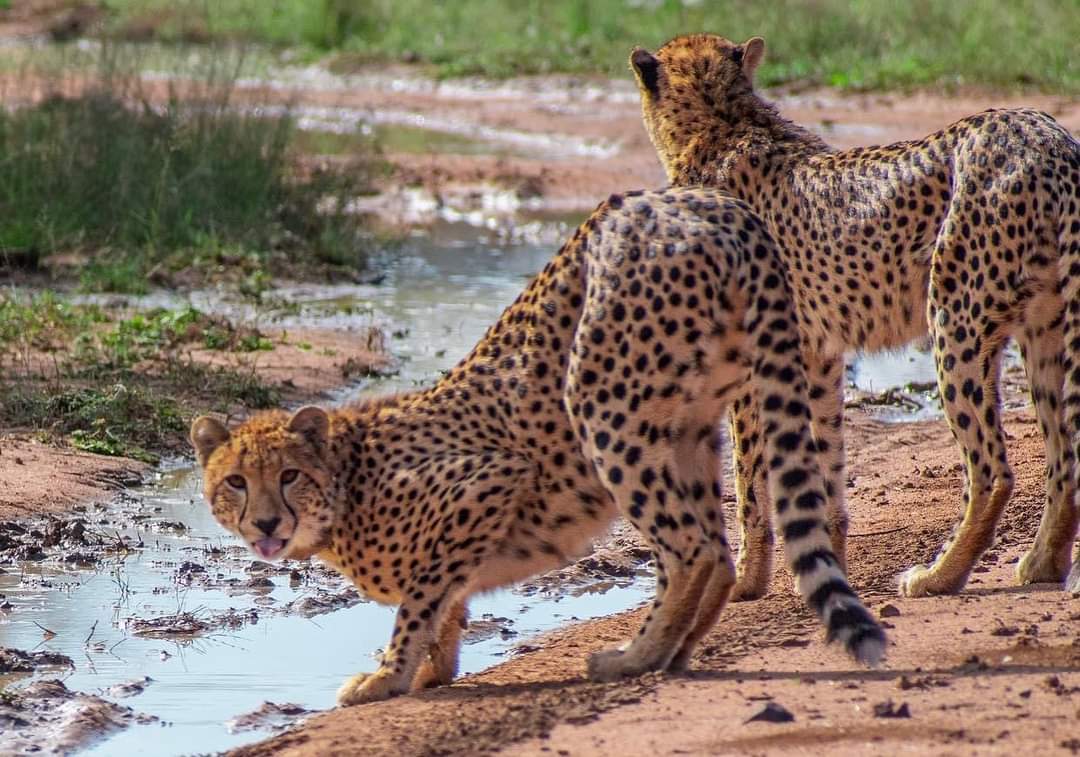
Dinokeng Game Reserve is home to a wide range of wildlife species that roam freely across thousands of hectares (apprx. 22 000) of protected bushveld.
The reserve is most famous for hosting the Big Five - the five animals historically considered the most challenging to hunt on foot.
These animals are:
• Lion
• Elephant
• Buffalo
• Rhino
• Leopard
Seeing all five in a single visit is never guaranteed, as wildlife sightings always depend on movement, weather - and a bit of luck. But many visitors are surprised by how active the reserve’s wildlife can be, especially during early morning and late afternoon drives.
The reserve supports a wide variety of other mammals including:
• giraffe
• zebra
• kudu
• impala
• warthog
• wildebeest
• hyena
• jackal
• eland
• nyala
• bushbuck
• crocodile
• hippos
(And many more - trust me - many many more)
Birdlife in Dinokeng
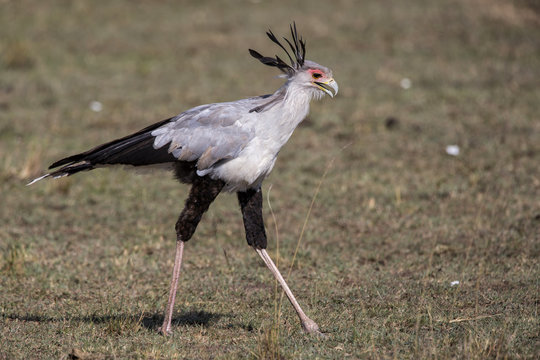
Dinokeng is also an exceptional destination for bird enthusiasts. The reserve and surrounding areas support hundreds of bird species, making it one of Gauteng’s most rewarding bird watching regions.
The diversity of habitats, including grasslands, wetlands, rivers and woodlands - attracts both resident and migratory birds.
Click the button below to discover a more detailed article about the incredible birdlife of Dinokeng Game Reserve.
Game Drives and Safari Experiences
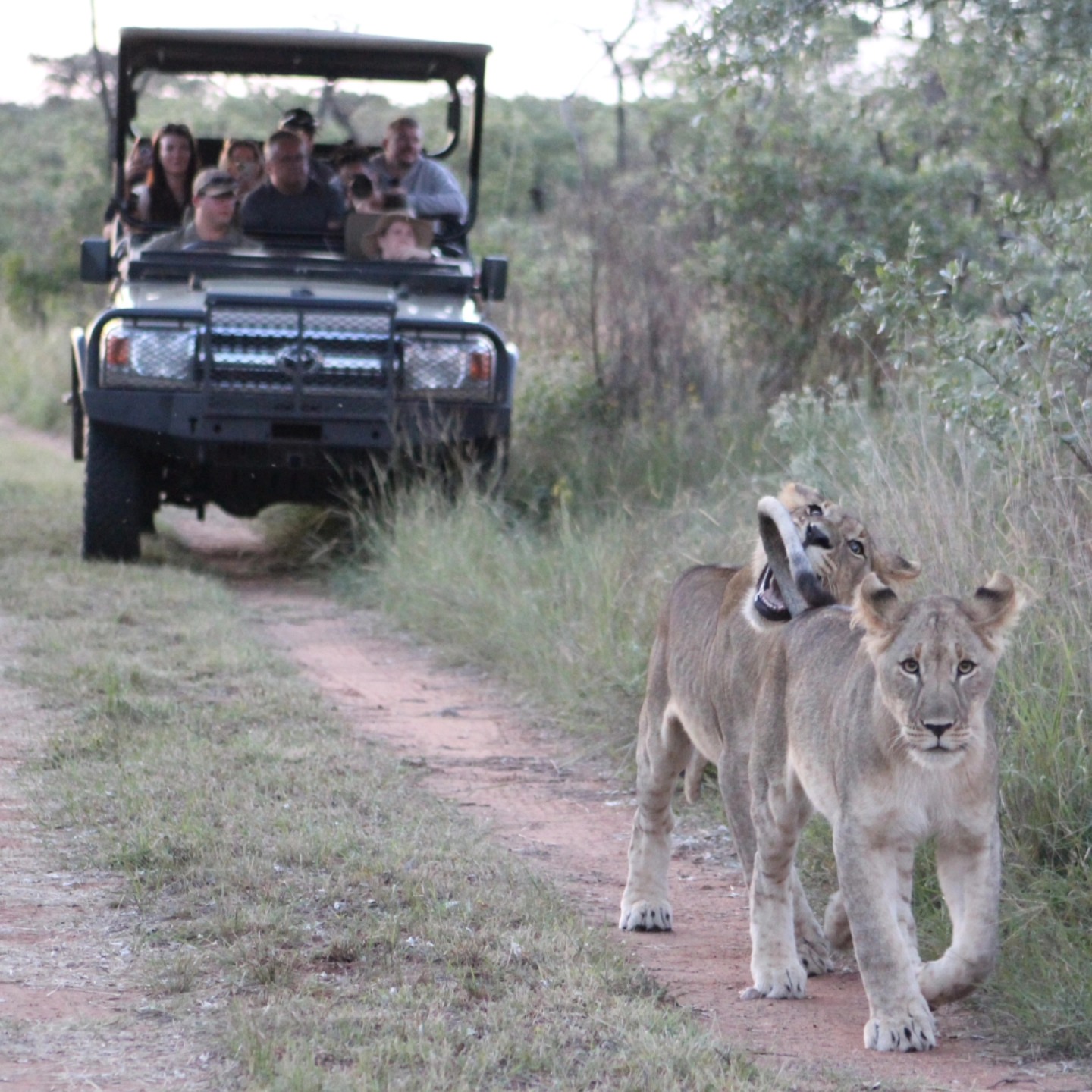
Game drives are one of the most popular activities in Dinokeng Game Reserve. Visitors can explore the reserve either through guided safari drives offered at Isinkwe Lodge or through self drive routes.
Guided safaris are led by our experienced ranger - Antony Soares - who know the landscape and wildlife patterns extremely well. He can interpret animal tracks, identify bird calls, pick up the smell of an animal and share fascinating insights into the ecosystem.
Self drive safaris are also popular and allow visitors to explore the reserve at their own pace. Well maintained gravel roads wind through different habitats - offering opportunities to encounter wildlife around nearly every corner.
The best times for game drives are typically:
• early morning just after sunrise
• late afternoon before sunset
The Best Time to Visit Dinokeng
Dinokeng is a year round destination - but each season offers slightly different experiences.
Summer (October to March)
This is the rainy season in the region. The bush becomes lush and green and many animals give birth during this time. Bird life is particularly vibrant and migratory birds arrive in large numbers.
Winter (May to August)
Winter months bring cooler temperatures and dry conditions. Vegetation becomes thinner - which can make wildlife easier to spot during game drives.
(Spring and Autumn) These transitional seasons often provide comfortable weather and excellent wildlife viewing conditions.
Ultimately - the best time to visit depends on personal preferences. Some visitors love the dramatic skies and bird activity of summer, while others prefer the clearer wildlife visibility of winter.
Why Dinokeng is a Special Safari Destination
What makes Dinokeng truly remarkable is its balance between accessibility and wilderness. Few places in the world allow visitors to experience a Big Five safari so close to major urban centres.
Dinokeng also represents an inspiring conservation model. The reserve is built through collaboration between landowners, conservationists and the gorvernment who work together to protect wildlife and preserve the ecosystem.