When most visitors arrive in Dinokeng Game Reserve, their focus is naturally drawn to the famous Big Five. Yet for many guests who spend time quietly observing the bush, the real magic often unfolds in the trees above, along the riverbanks, in the thickets and across the open grasslands.
Dinokeng is one of Gauteng’s most rewarding birding destinations, supporting an extraordinary diversity of birdlife thanks to its mixture of bushveld woodland, grasslands, wetlands and river systems. These varied habitats create ideal conditions for birds to feed, nest and migrate through the region, resulting in a constantly changing tapestry of species throughout the year.
It is not unusual for birdwatchers to record dozens of species in a single morning drive, and for Isinkwe lodge guests, the simple act of sitting on a deck with a cup of coffee can reveal an astonishing variety of calls and movements in the surrounding bush.
The landscape of Dinokeng plays a crucial role in supporting this abundance of birds. The reserve contains stretches of savanna woodland filled with acacia and marula trees, patches of dense bush where small insect eating birds thrive, open grasslands that attract ground dwelling species, and several wetlands and dams that draw water birds from across the region.
Because these habitats exist within a relatively compact area, bird species that might normally require travelling long distances to see can often be encountered within a single drive. A woodland track might reveal hornbills and drongos, while the next stop near a dam could produce jacanas, darters or herons.
This ecological diversity is what makes Dinokeng such an exciting place for both seasoned birders and casual nature lovers.
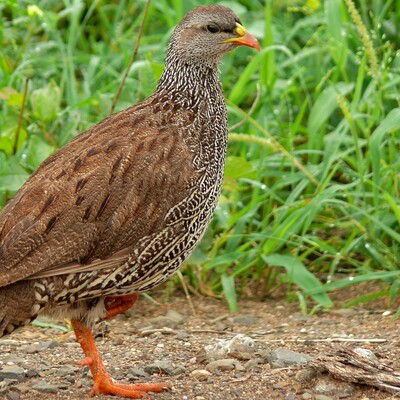
Many of the birds most commonly seen in Dinokeng are classic bushveld species that visitors quickly learn to recognize. Early mornings often begin with the calls of Crested Francolin or Natal Spurfowl echoing through the grasslands, while Laughing Doves and Speckled Pigeons gather along lodge gardens and roadsides.
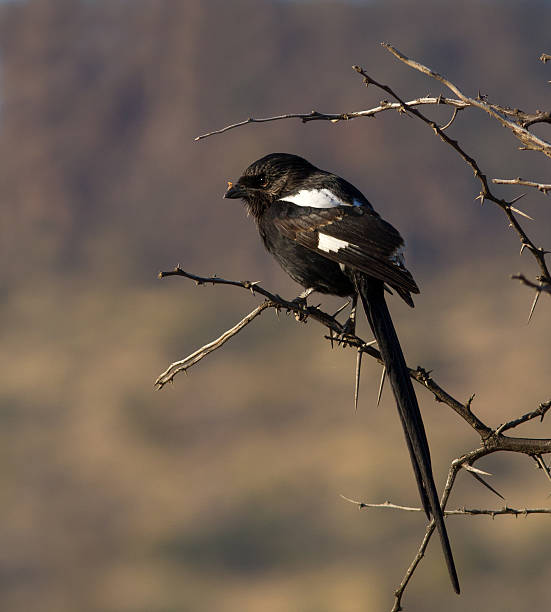
In the trees, the lively Fork tailed Drongo frequently performs aerial acrobatics as it hunts insects, often mimicking the calls of other birds. The striking Magpie Shrike moves confidently along branches.
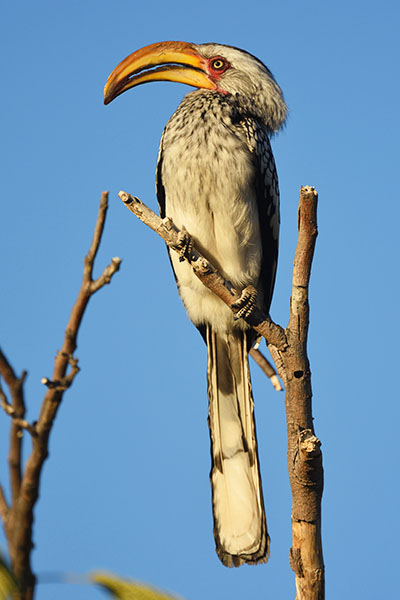
One of the most beloved birds among safari guests is the Southern Yellow billed Hornbill, famous for its curious personality as it hops along the ground searching for insects.
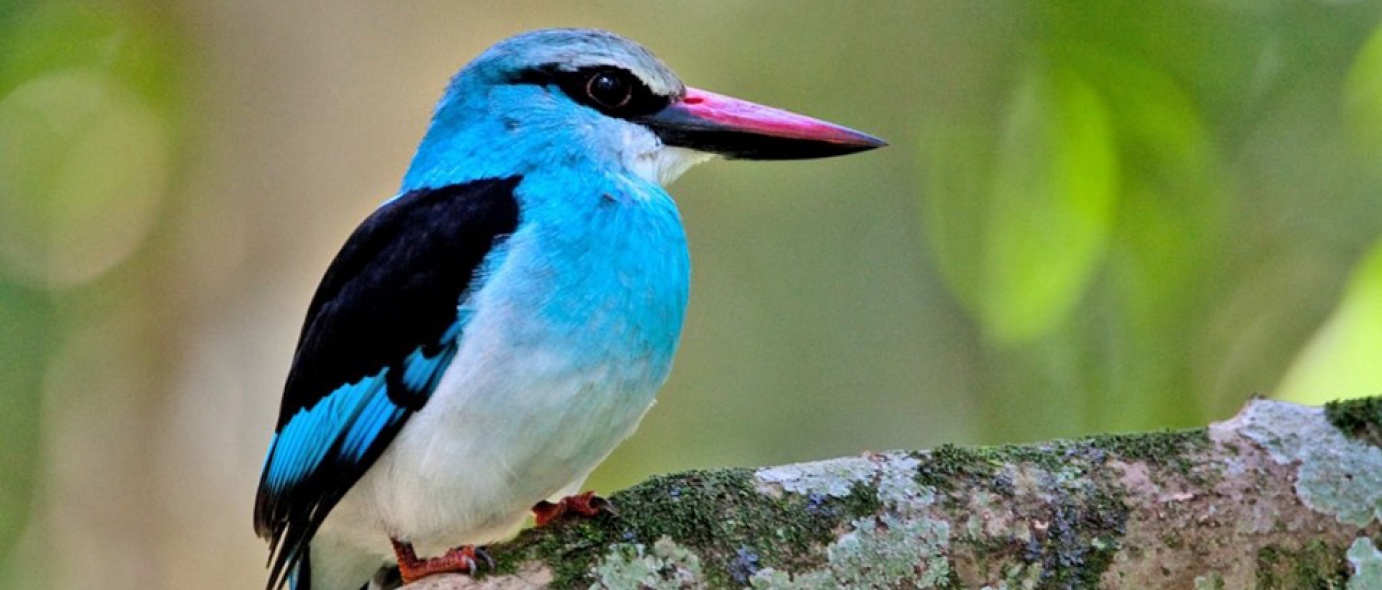
Meanwhile, the vibrant Woodland Kingfisher can often be seen perched quietly before diving to catch its prey.
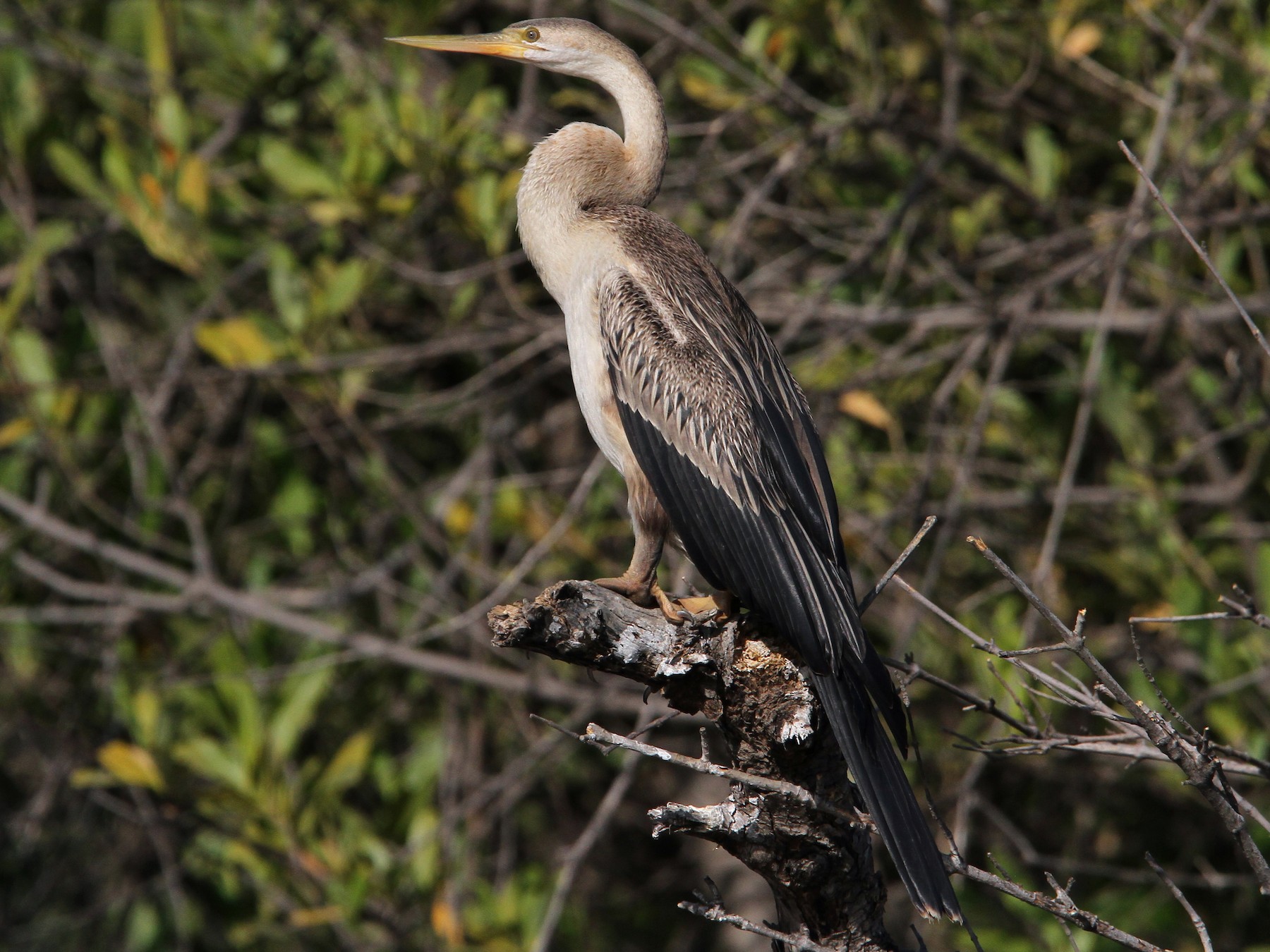
Dinokeng is also home to several impressive water associated species thanks to its wetlands and dams. These areas attract birds such as the African Darter, sometimes called the “snake bird” because only its long neck is visible above the water as it swims.
Egyptian Geese patrol the shorelines, while elegant Cattle Egrets often follow grazing animals through the grass.
The wetlands also attract fascinating birds such as the African Jacana, easily recognised by its extremely long toes that allow it to walk across floating vegetation. Observing these birds in their natural habitat is one of the quiet joys of a bushveld safari, particularly in the soft golden light of early morning.
One of the most exciting aspects of birdlife in Dinokeng is the presence of large migratory species that move through the area during different seasons. These birds travel vast distances across continents, and the reserve provides important feeding and resting grounds during their journeys.
One of the most colourful migrants is the European Bee eater, which arrives from Europe and Asia during the warmer months. These birds gather in flocks, their bright green, yellow and chestnut colours flashing through the sky as they hunt insects in mid air.
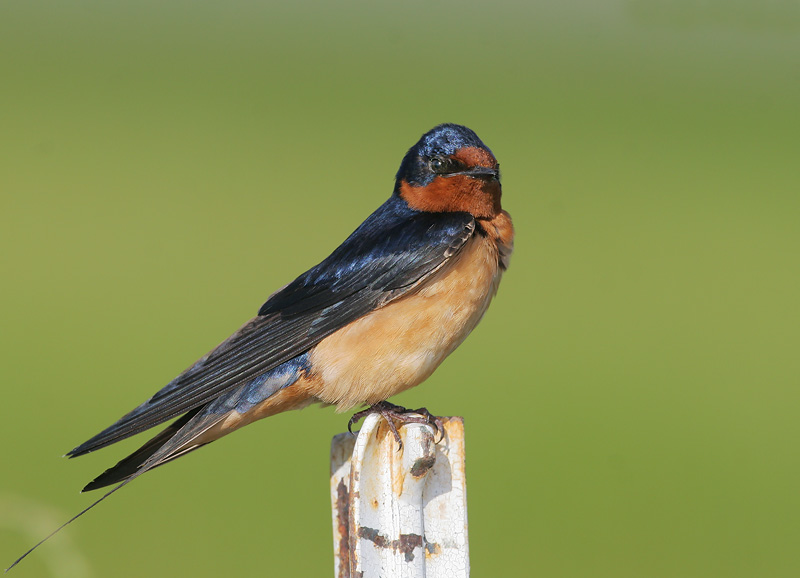
Another well known migrant is the Barn Swallow, which travels thousands of kilometres between Europe and Africa and can often be seen sweeping across open areas in graceful flight.
The skies of Dinokeng also host migratory swifts such as the Little Swift and White rumped Swift, which appear as fast-moving silhouettes darting across the horizon. The arrival of these birds each year is a reminder that the bushveld is part of a much larger global ecosystem of migration and seasonal movement.
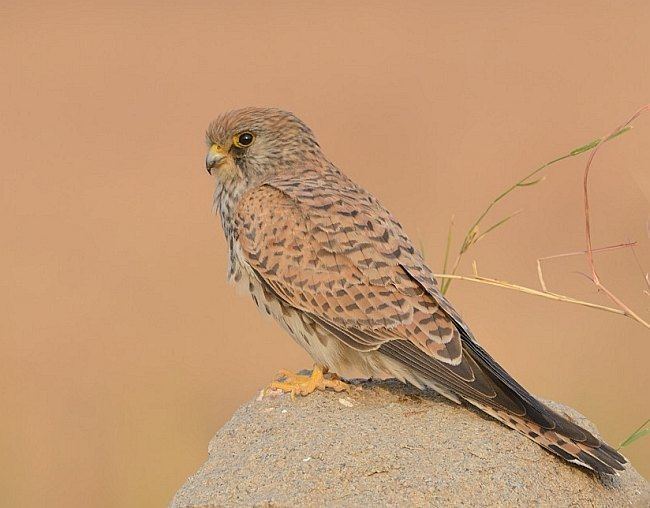
Birds of prey are another highlight of Dinokeng’s birdlife. The open savanna and scattered trees provide ideal hunting territory for raptors that soar high above the reserve. The elegant Black winged Kite is often seen hovering almost motionless in the air before dropping suddenly to capture prey. Smaller falcons such as the Lesser Kestrel occasionally appear during migration, while larger raptors patrol the skies in search of reptiles or rodents. Watching a bird of prey glide silently across the landscape is one of the most powerful wildlife moments the reserve offers, reminding visitors of the delicate balance that sustains the ecosystem.
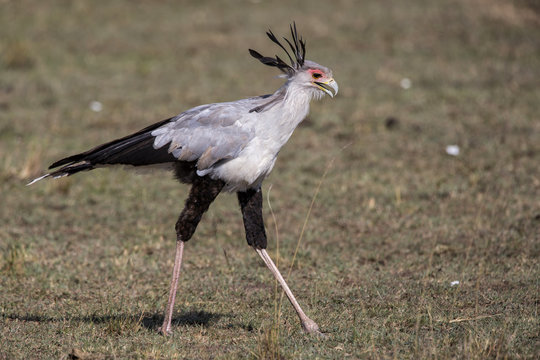
One of the most extraordinary birds that occasionally passes through Dinokeng is the Secretary Bird. This large terrestrial bird of prey is instantly recognizable with its long crane like legs, eagle shaped body and distinctive black feather quills at the back of its head. Unlike most birds of prey, the Secretary Bird hunts primarily on foot, striding through the grasslands while searching for snakes, rodents and insects. When it locates a snake, it uses incredibly powerful kicks to strike and kill its prey. We have been fortunate enough to spot this remarkable bird moving across the open plains of Dinokeng, its tall silhouette standing out against the bushveld.
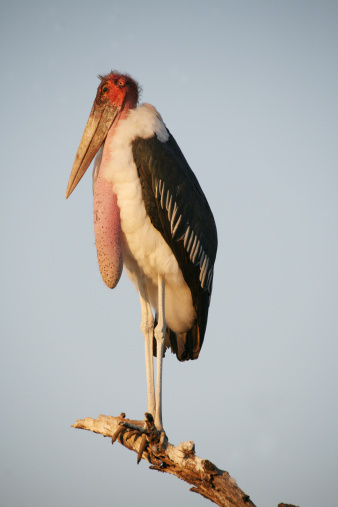
One of the most unforgettable bird sightings we have experienced in Dinokeng has been the appearance of hundreds of Marabou Storks gathering in the area. These enormous birds, with their long legs, heavy bills, and distinctive bare heads, are among the largest flying birds in Africa. Often called the “undertakers of the bushveld,” Marabou Storks play an important role in the ecosystem as scavengers, helping to clean the environment by feeding on carrion and waste. Seeing one of these birds is impressive enough, but witnessing large numbers of them soaring overhead or standing together across the landscape is something truly remarkable.
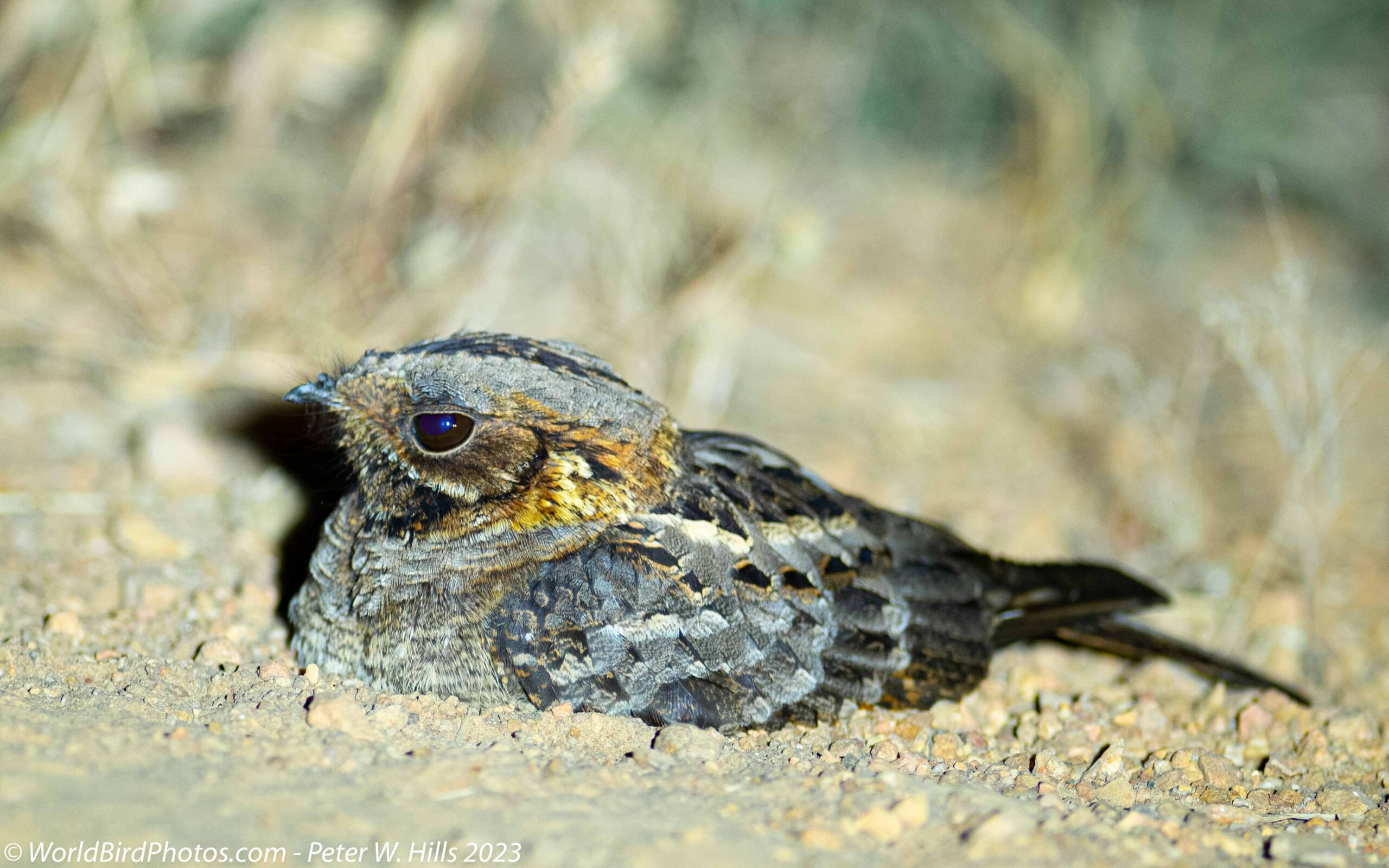
As daylight fades, Dinokeng’s birdlife takes on a different character. The sounds of daytime birds gradually fade, replaced by the mysterious calls of nocturnal species emerging from the bush. Among the most fascinating are the Fiery necked Nightjar and the Freckled Nightjar, whose haunting calls echo across the reserve during warm evenings. These birds are masters of camouflage, often blending perfectly into the ground or tree bark during the day. Guests staying in bush lodges frequently hear their calls drifting through the darkness, adding to the magic of an African night under the stars.
Perhaps the most remarkable thing about birdwatching in Dinokeng is how accessible it is. Unlike remote birding destinations that require long expeditions, Dinokeng lies just north of Pretoria, making it one of the easiest places in South Africa to experience rich wildlife and birdlife in a natural environment.
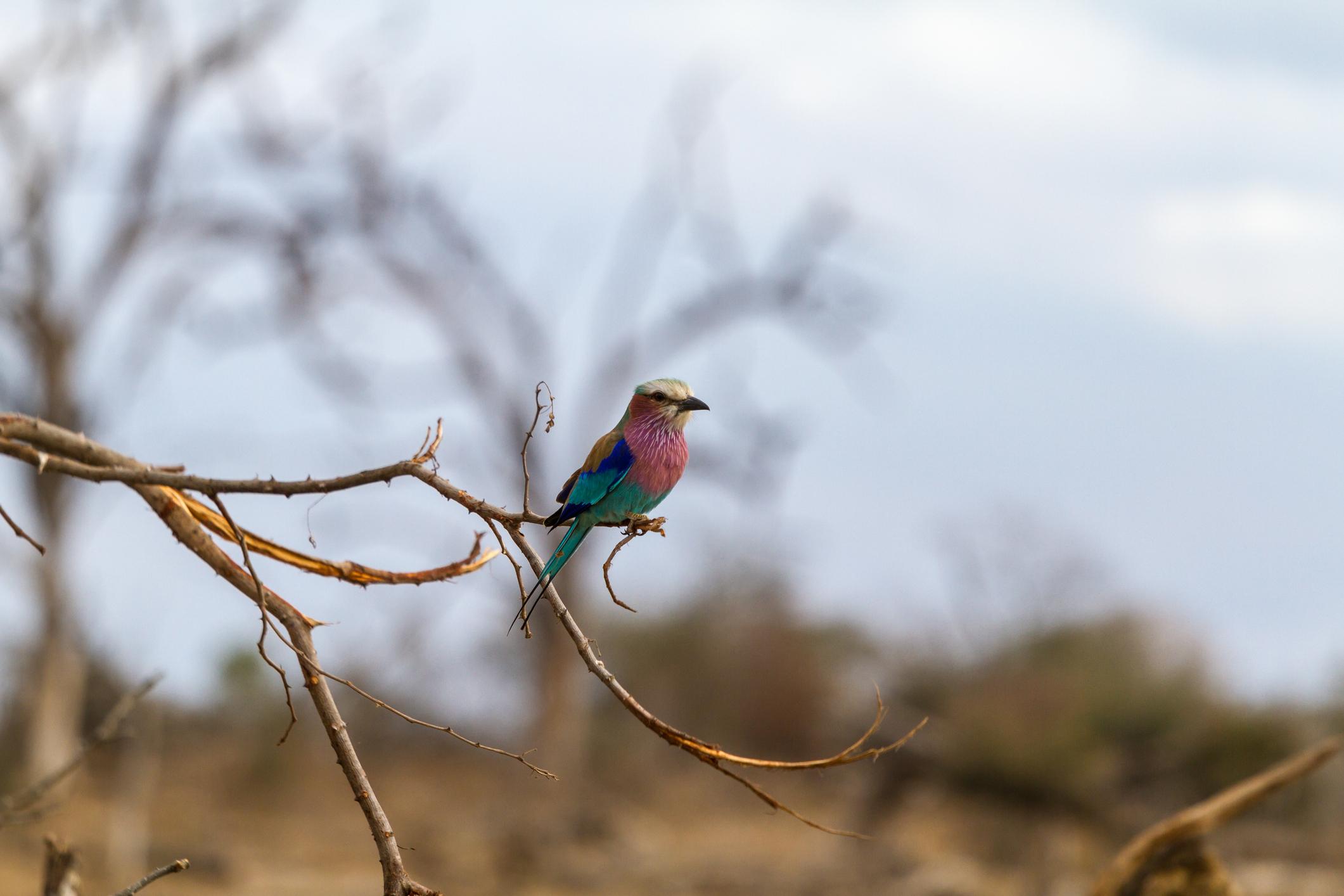
Within a short drive from the city, visitors can find themselves surrounded by hundreds of bird species, from brightly coloured rollers to powerful raptors and delicate warblers hidden in the grass. For many guests, birdwatching becomes an unexpected highlight of their safari experience.
In the end, the birds of Dinokeng reveal a quieter side of the African bush. They fill the mornings with song, add colour to the landscape, decorate the wildlife aspect of game viewing and connect the reserve to migratory journeys that stretch across continents.
Whether it is a hornbill hopping along a dusty road or a roller flashing blue across the sky, these moments remind us that the bush is alive in every direction. Sometimes the most memorable wildlife encounters are not the largest animals roaming the plains, but the wings moving through the trees above us.
Share with us in the comments all the birds species you have recorded on game drive in the reserve!